

What is corporate hospitality: Unlock premium events and strong ROI
Corporate hospitality isn’t just about hosting lavish gatherings—it’s about creating moments that deepen bonds and bring your brand story to life. Whether it’s VIP client dinners, scenic executive retreats or premium sports outings, each event is carefully designed to reward loyalty and spark genuine advocacy.
How Corporate Hospitality Boosts Relationships
At its core, corporate hospitality transforms routine interactions into memorable experiences. Invite a key client to a private dinner and you’re doing more than sharing a meal—you’re crafting a lasting impression.
By staging immersive events, you:
• Forge deeper bonds through face-to-face connection
• Recognise loyalty with exclusive access or personalised touches
• Showcase your values via themed décor and curated content
Moreover, applying the same principles to employees shows you truly appreciate their efforts. A bespoke staff event can lift morale and strengthen team spirit in ways a standard thank-you email never will.
Crafting Bespoke Experiences
Different formats shine a light on various facets of your brand narrative. Picture an elegant gala under ambient lighting—guests savour fine cuisine while absorbing your company’s heritage. Contrast that with a tranquil executive retreat where strategic workshops unfold against a backdrop of rolling hills.
"A well-designed hospitality programme can yield 73% higher client retention."
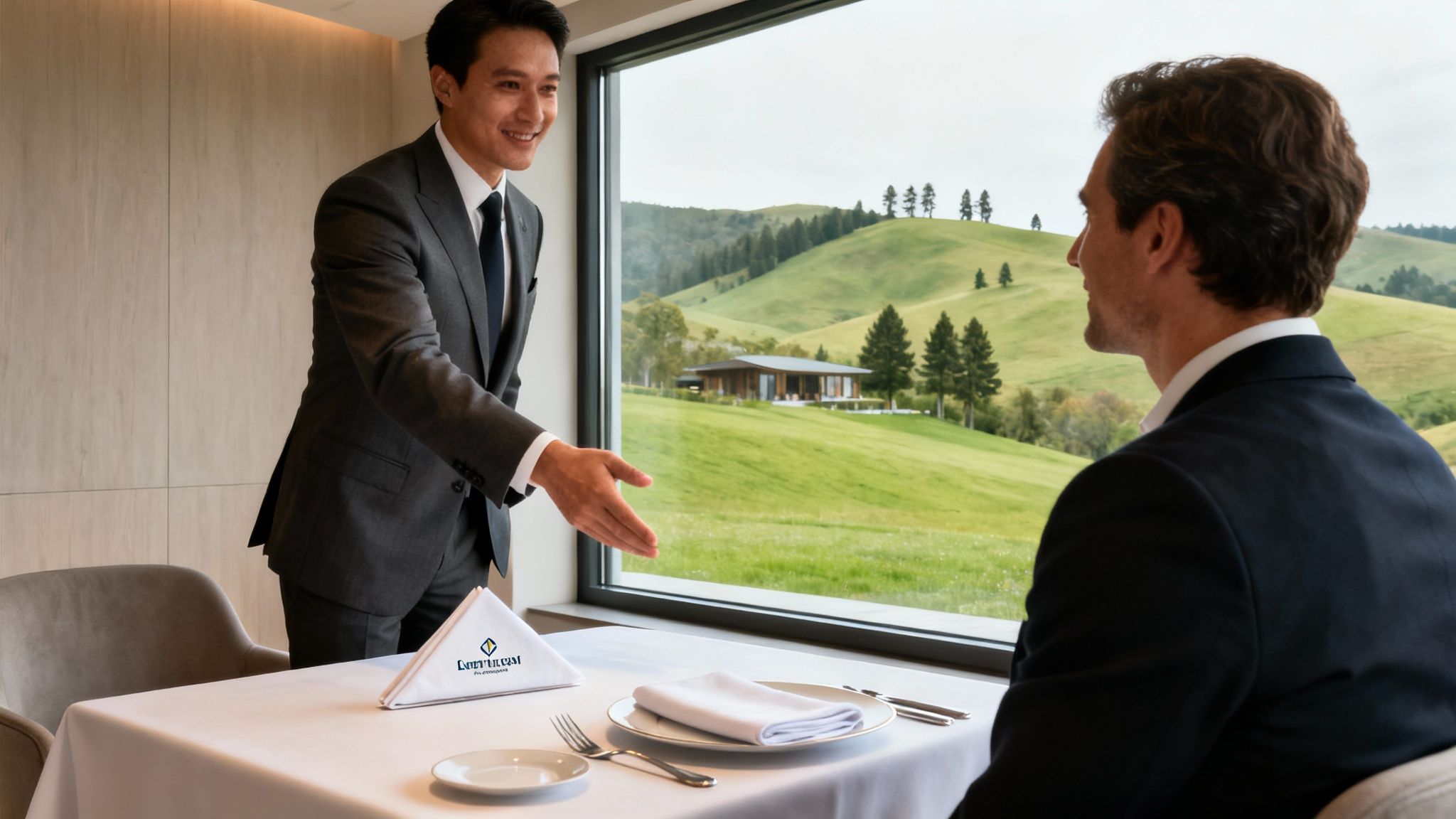
Below is a snapshot of common hospitality types, their aims and how they play out in real settings.
Comparison Of Corporate Hospitality Types
| Type | Purpose | Typical Example |
|---|---|---|
| VIP Dinners | Reward top clients and nurture loyalty | A private tasting dinner at a Michelin-starred restaurant |
| Executive Retreats | Empower leadership and foster strategy | A mountain lodge retreat with guided workshops |
| Sports Hospitality | Entertain and engage at marquee events | Hospitality box at a Champions League match |
Use this comparison as a starting point to pick the right mix for your objectives.
Measuring Outcomes
Turning hospitality into hard data needn’t be tricky. Track metrics such as net promoter score, follow-up meeting requests or the increase in repeat business. These insights reveal what resonated and guide improvements for your next gathering.
Aligning With Brand
Subtle details anchor an event in your identity. A menu reflecting your brand’s heritage or décor in your signature colour palette reinforces who you are—long after the occasion ends. Every element, from signage to small takeaways, should echo your core values.
Essential Best Practices
• Send personalised invitations well in advance
• Choose venues that mirror your company’s character
• Blend structured presentations with plenty of networking time
• Collect post-event feedback promptly to capture fresh impressions
By weaving these practices into your planning, your hospitality efforts will feel authentic, purposeful and truly memorable.
Understanding The Core Concept
Corporate hospitality weaves together private dinners, sporting box seats and offsite retreats. It’s more than a gesture; it’s a deliberate step towards forging stronger connections aligned with your organisation’s goals.
At its core, hospitality transforms everyday meetings into moments guests remember.
- Intimate networking dinners that encourage open conversation.
- Strategic workshops during quiet executive retreats.
- Exclusive stadium boxes offering a relaxed backdrop for relationship-building.
Popular Hospitality Formats
For smaller firms, a cosy dinner can feel like a curated salon—guests lean in, stories flow and rapport deepens. It’s the closest thing to welcoming someone into your own drawing room.
By contrast, executive retreats unfold like a strategy session at an inspiring venue. When teams step away from the office, fresh ideas often follow.
“Well-crafted hospitality programmes can spark deeper engagement than standard meetings.”
Strategic Goals Of Hospitality
Businesses invest in hospitality to spark new leads, renew contracts and reinforce loyalty. On the employee side, thoughtful events raise morale and curb turnover.
Corporate hospitality is a lifeline for the UK hospitality sector, which has weathered tough times recently. By June 2025, licensed premises in Britain numbered 98,746—a net fall of 374 sites, or roughly 62 closures a month (two a day). Learn more about these sector challenges on CGA Strategy
- Generate fresh business opportunities through curated events.
- Reward key clients to cement long-term loyalty.
- Acknowledge employees with memorable experiences.
Linking these aims to clear KPIs showcases the real impact on revenue and culture—essential for securing the next round of investment.
Building Integrated Programmes
Hospitality doesn’t sit in a vacuum. It thrives when marketing, sales and HR pull in the same direction—sharing objectives, resources and insights.
For instance, marketing might measure success through attendance and engagement rates. Sales teams then follow up on contacts made in VIP settings. Meanwhile, HR uses retreats to celebrate achievements and solidify company culture.
- Map each event to a stage in your sales funnel.
- Define specific metrics for every team involved.
- Analyse results and refine your approach for future programmes.
Designing Bespoke Touchpoints
Every detail counts when you’re aiming to personalise an experience. Start by understanding who you’re hosting—gather insights on client or employee personas.
- Pinpoint VIP priorities and craft sessions that speak to their interests.
- Choose venues that echo your brand ethos and aesthetic.
- Introduce interactive elements like breakout sessions, behind-the-scenes tours or coffee tastings.
Adding a barista station from UE Coffee Roasters elevates the atmosphere, encouraging relaxed conversation over premium refreshments.
Treat your hospitality plan as if composing a symphony. Each part—venue, agenda and even the coffee—plays a role in creating a seamless, unforgettable experience.
- Fuse logistical rigour with creative flair for lasting impressions.
Next up: measuring the real-world impact of your hospitality initiative.
Benefits And ROI For Businesses
Corporate hospitality delivers real, measurable gains alongside those memorable moments. It boosts client loyalty, shortens sales cycles and sparks genuine brand advocacy through well-designed gatherings.
Quantifying these benefits starts with the right metrics. By tracking incremental revenue per client, contract renewal rates and employee retention improvements, teams can tie hospitality directly to financial outcomes. That clarity makes it far easier to secure future budgets.
- Incremental Revenue Per Client: Additional sales linked to post-event engagement
- Contract Renewal Rates: Percentage of repeat agreements following hospitality outreach
- Employee Retention Improvements: Change in staff turnover before and after morale-boosting events
Tracking ROI Metrics
Begin with clearly defined goals. Establish performance indicators up front, design data collection processes and set regular review intervals.
Many organisations now use event management platforms alongside CRM systems like Salesforce or HubSpot for real-time insights. This approach makes it simple to analyse guest interactions and spot emerging conversion trends.
Consider the broader infrastructure too. The UK hotels industry—a key pillar for executive stays, meetings and galas—is forecast to hit £27.5 billion in revenue by 2025 at a 16.0% CAGR, even after a slight 0.3% dip. You can explore those details on IBISWorld.
- Integrate brief survey links into post-event follow-ups
- Sync CRM event records with sales opportunity pipelines
- Track attendance-to-contract ratios for top-tier guests
Real-world examples demonstrate how modest spends drive big returns. A mid-sized company lifted cross-sell revenue by 28% after hosting a themed networking dinner. Meanwhile, a tech vendor cut client acquisition costs by 15% through a focused executive retreat.
“Even small hospitality investments can deliver double-digit ROI when aligned with clear strategic goals.”
To illustrate further, here’s how various formats typically perform:
ROI Comparison Of Hospitality Investments
| Hospitality Investment | Average ROI |
|---|---|
| Networking Dinners | 12% |
| Executive Retreats | 18% |
| Stadium Boxes | 10% |
| Themed Dinners | 15% |
This table highlights where hospitality budgets often yield the greatest impact—and where to focus your tracking efforts.
Presenting Results To Stakeholders
Visuals build trust. Use graphs, heatmaps or clear dashboards to tie hospitality metrics back to core business objectives.
- Plot incremental revenue alongside event dates
- Showcase contract renewals in quarterly performance reports
- Highlight retention trends after staff-focused gatherings
Setting Clear Targets
Your next move is to agree on ROI goals that resonate with decision-makers. Frame these in monetary figures or percentage improvements for straightforward clarity.
Link attendance figures to pipeline value and closed deals. Presenting that data in user-friendly dashboards helps non-technical stakeholders grasp the value instantly.
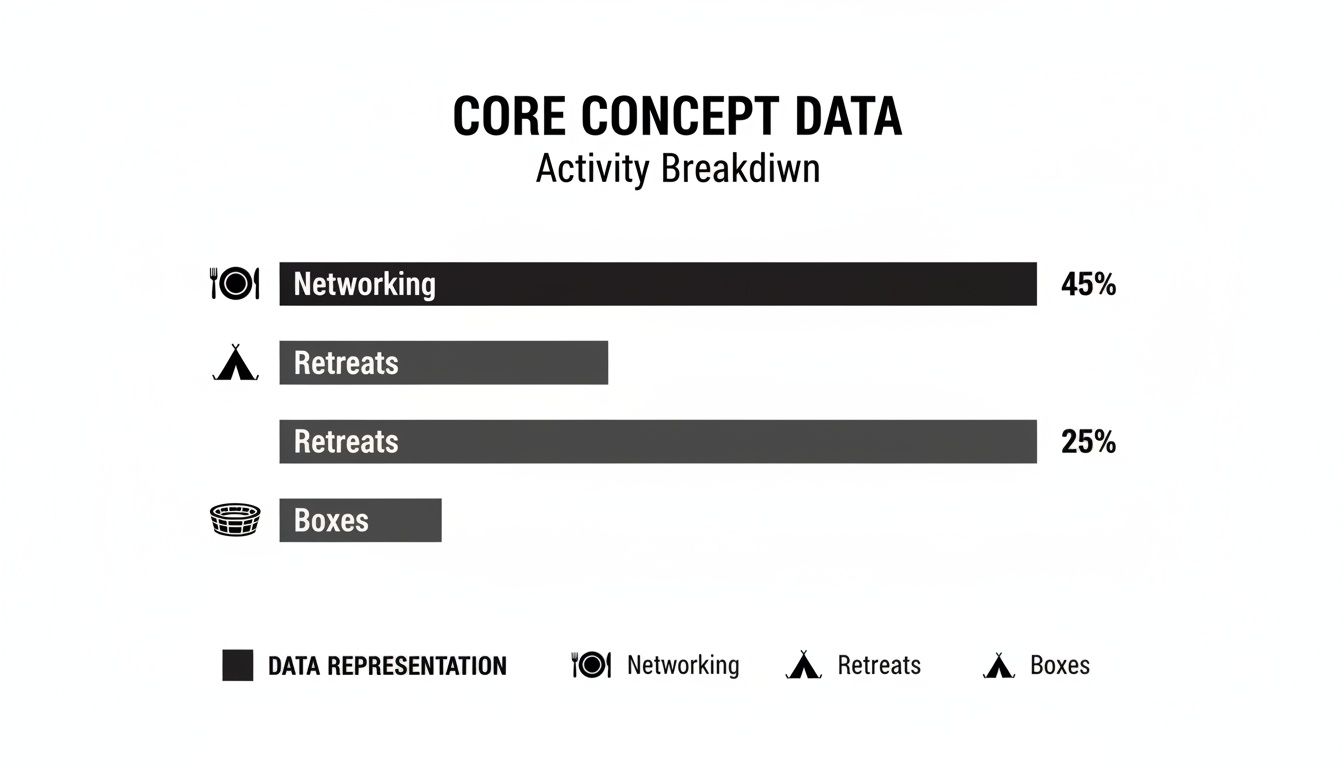
This infographic visualises investment splits across three common formats—networking dinners, executive retreats and stadium boxes.
It reveals that networking dinners command the largest share at 45%, followed by retreats at 30% and sports boxes at 25%, indicating where ROI tracking can begin.
- Boosts client loyalty through focused engagement
- Accelerates deal closures via deeper relationship building
- Fosters brand advocacy with memorable encounters
Finally, pairing hospitality with premium office refreshments from UE Coffee Roasters extends ROI beyond one-off events. Consistent access to speciality coffee and tea reinforces brand values daily and nurtures client and employee relationships for the long haul.
Practical Examples For Corporate Hospitality
Putting ideas into action is where the real magic happens. Below you’ll find three case studies that walk you through planning, budgeting and delivering unforgettable moments.
Imagine a crisp afternoon in a regional stadium box, where every detail echoes your brand story. Sport and strategy come together to reward loyalty and spark fresh conversations.
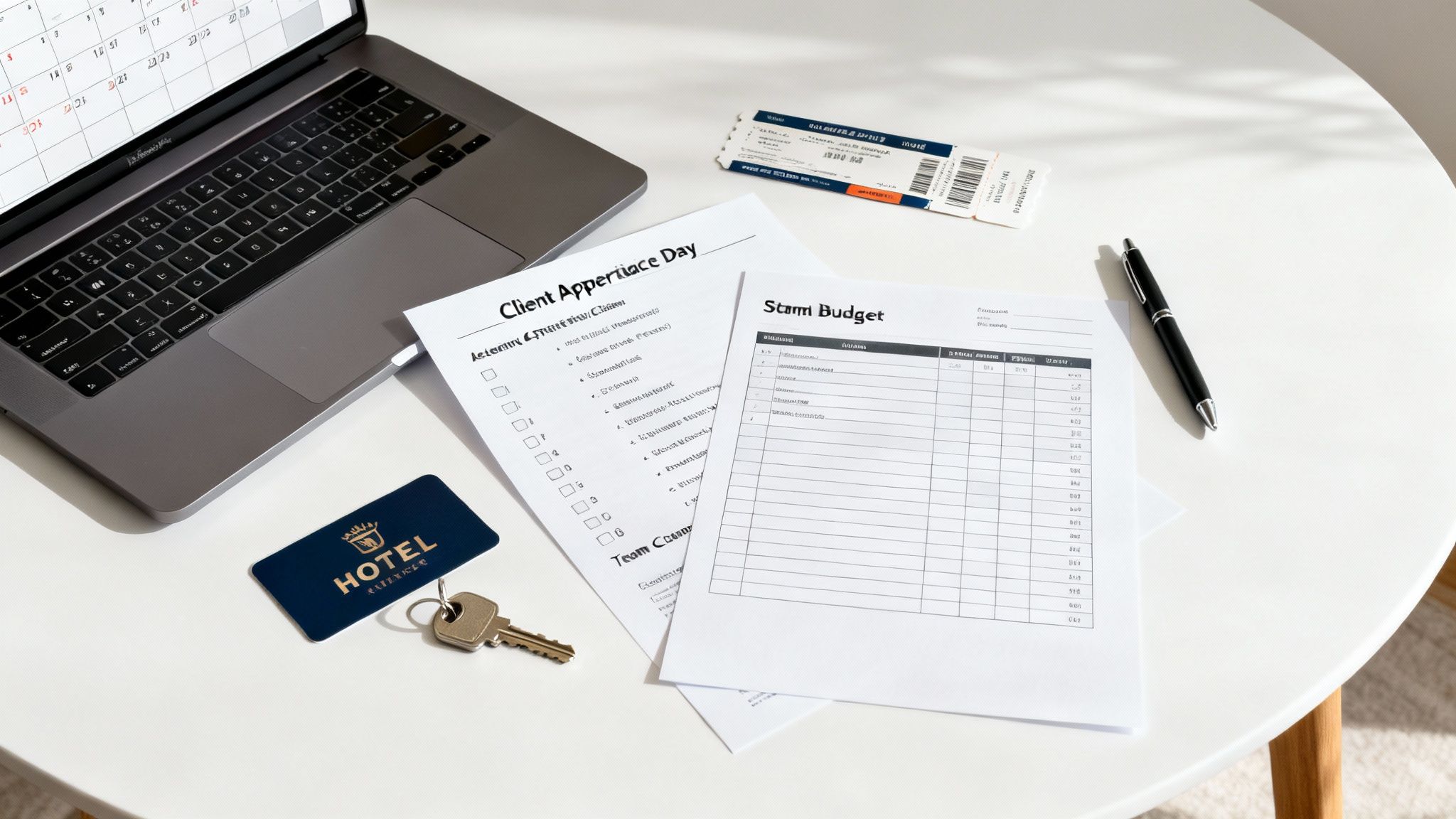
Simple tools—a timeline, a budget sheet—keep everyone on the same page. Here’s a quick checklist to guide your stadium event:
- Timeline Planning (6 weeks before event day)
- Budget Breakdown (£8,000 total, including hospitality and transport)
- Logistics Checklist (access passes, seating plan, branded materials)
Client Appreciation Day
The day unfolds like clockwork: a warm welcome, a brief keynote and relaxed networking. Personalised invitations set the tone; themed snacks tie back to your brand, while live data capture shows you who’s most engaged.
UE Coffee Roasters brings a mobile barista station, serving custom coffee blends that reinforce your identity.
“Personal touches and quality refreshments can boost perceived value by 25%,” says hospitality manager Anna Clarke.
Executive Retreat At Boutique Hotel
Next up is a three-day getaway in a country manor, complete with breakout sessions and fine dining under the stars. The £15,000 budget covers the venue, catering and a few evening receptions.
- Scope Outline (welcome kits, session materials, guest transport)
- Timeline (5 months planning, on-site rehearsal two weeks out)
- ROI Goals (15% rise in team performance ratings)
All-day refreshment bars from UE Coffee Roasters keep energy levels high, with speciality coffee and a range of teas.
Team Building Conference With Custom Refreshments
Finally, picture a dynamic conference for 50 participants where learning zones mingle with hands-on challenges. A modular schedule ensures every group rotates every 20 minutes.
- Prepare station guides and supplies 1 month ahead
- Assign and brief facilitators 2 weeks before
- Set up a UE Coffee Roasters bar in the central lounge
- Gather real-time feedback via QR-code surveys
Clear signage, well-trained staff and seamless coffee breaks make collaboration feel effortless.
| Event Type | Budget | Timeline | Key Feature |
|---|---|---|---|
| Stadium Day | £8,000 | 6 weeks | Barista Station |
| Boutique Retreat | £15,000 | 5 months | Group Workshops |
| Team Conference | £5,000 | 1 month | QR Feedback |
This table helps you match ideas to your goals and budget. Careful planning, clear timelines and premium refreshments are your secret ingredients.
- Begin planning early and set clear targets for each event
- Weave in UE Coffee Roasters bars to boost networking and morale
- Review feedback immediately to refine your next programme
Get started today.
How Premium Office Refreshments Support Hospitality
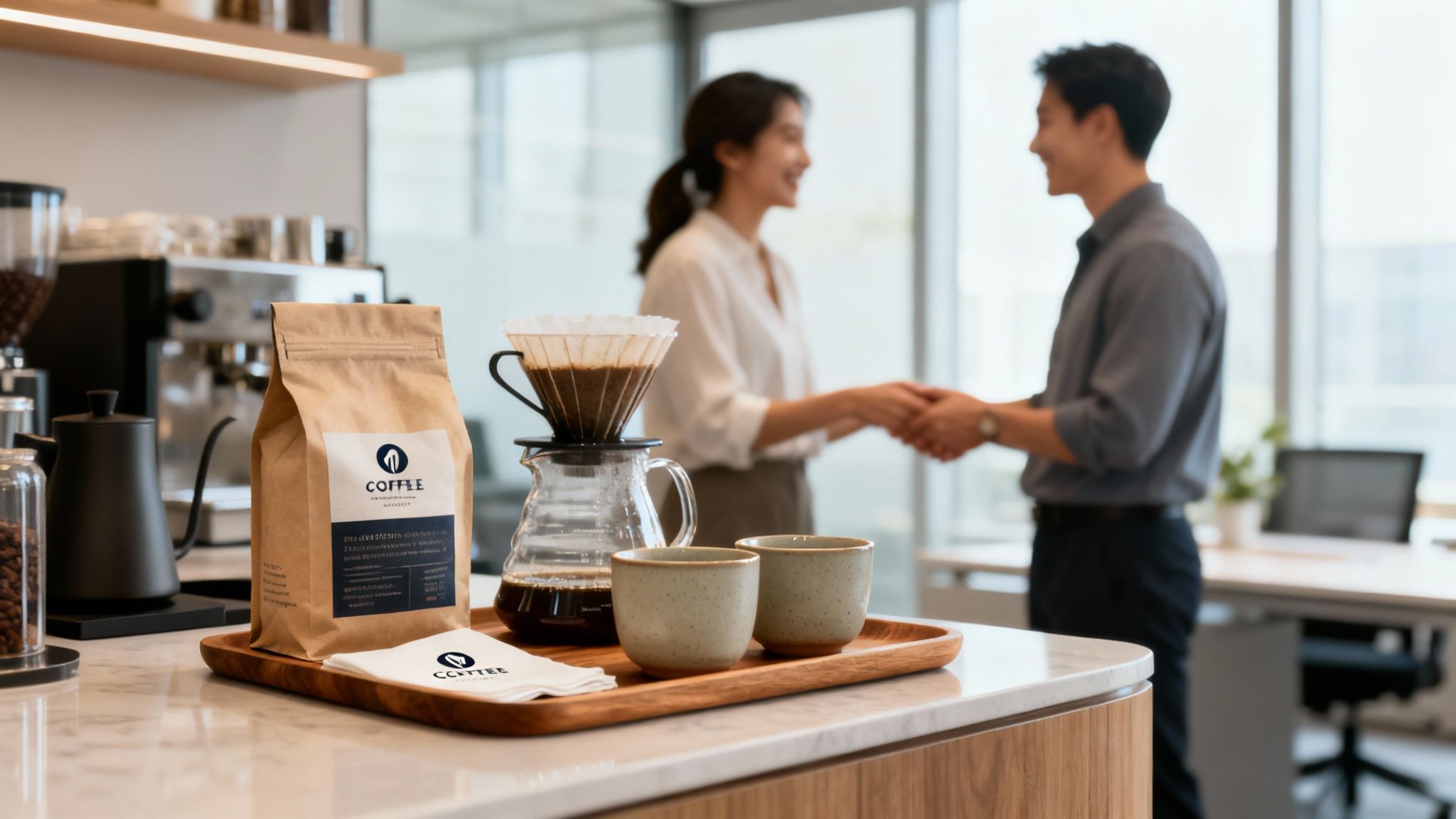
Hospitality in the workplace isn’t just for big conferences or client events. It’s about those small, everyday interactions—a quick coffee catch-up or a shared pot of tea can make all the difference. By introducing premium refreshments like speciality coffee and hand-blended teas, organisations build a culture where every break feels thoughtful and inviting.
Here are a few starting points for making refreshment services genuinely engaging:
- Partner with a speciality roaster to guarantee bean consistency and expert roast profiles.
- Design self-serve stations that naturally draw people in and spark casual conversations.
- Curate seasonal menus—from spiced winter lattes to refreshing summer iced teas—that connect with event themes.
For instance, one mid-sized team saw a 20% uplift in spontaneous brainstorming sessions around a UE Coffee Roasters barista station. It’s a clear sign: when you treat daily touchpoints like marquee events, hospitality becomes part of your everyday rhythm.
Designing Self-Serve Stations
Placing your station in a natural crossroads—near meeting rooms or reception—turns it into a mini hospitality lounge. Think of it as a pop-up café corner where staff can mingle over premium brews.
- Identify high-footfall areas to maximise visibility.
- Balance top-tier equipment with user-friendly designs.
- Label each option clearly to keep queues moving and spirits high.
“High-grade refreshments can redefine how teams connect, sparking creativity and collaboration.”
– Facilities Manager
In the UK hospitality sector, recent pressures have reshaped investment in everyday hospitality. Since October 2024, the industry has lost 84,000 jobs, with forecasts suggesting up to 200,000 more could disappear by March 2026 without fresh strategies. Discover deeper insights on hospitality trends on everettking.co.uk
Aligning Office Refreshments With Branding
When drink offerings echo your corporate palette or event motifs, every cup becomes an extension of your brand story. Subtle touches like bespoke cups, branded menu cards or signature syrup flavours keep your identity front and centre.
| Event Theme | Drink Type | Benefit |
|---|---|---|
| Client Meetings | Single-origin brew | Demonstrates attention to detail |
| Team Workshops | Iced teas or lattes | Refreshes and energises groups |
| Casual Catch-ups | Flavoured espresso | Sparks informal chats |
Consistent, high-calibre refreshments make each encounter feel like part of your overarching hospitality programme—building trust and camaraderie over time.
Putting Refreshments Into Action
Start small: pilot a UE Coffee Roasters solution in one department to gauge engagement and gather feedback. A two-week tasting menu, followed by a quick staff survey, reveals tastes and preferences.
Next steps:
- Conduct a refreshment audit to pinpoint gaps and priorities.
- Set up a demo station with bean-to-cup machines for hands-on testing.
- Review feedback and tweak offerings to align with your corporate hospitality goals.
By treating your coffee strategy as a living initiative, you’ll foster ongoing connections that extend far beyond the break room.
Conclusion With Best Practices
Bring all corporate hospitality elements into a single narrative. That way, each decision serves a clear purpose.
Define your overall objectives first—be it boosting client retention, sparking new leads or lifting employee morale. Then ensure every touchpoint loops back to those goals.
Think of your plan like an orchestra: each section has its cue, but they all play from the same score.
Use this checklist as your conductor’s guide:
- Goal Setting: Pin down targets such as client retention, lead generation or employee engagement
- Budget Planning: Set your figures and tuck away at least 10% for surprises
- Venue Selection: Choose a space that echoes your brand’s personality
- Experience Design: Weave in your theme, agenda and refreshment choices under one consistent banner
- Performance Tracking: Choose your KPIs and schedule regular check-ins
Key Planning Checklist
Start by pairing each event with a clear business outcome.
- Name your objectives and assign champions in marketing, sales and HR
- Outline a precise budget covering venue, catering and refreshments
- Mark planning milestones and deadlines in a shared calendar
- Team up with a pro like UE Coffee Roasters for standout coffee moments
- Define metrics and decide how you’ll collect the data
| Phase | Focus Area |
|---|---|
| Initiation | Goals and Stakeholder Buy-In |
| Preparation | Budget and Logistics |
| Execution | Guest Experience and Coffee |
| Review | Data Analysis and Feedback |
Ensuring Brand Consistency
Every email, invitation and on-site detail should echo your core values.
A branded coffee cup or a themed menu card might seem small, but it reinforces your message down to the last detail.
Regular coffee breaks powered by UE Coffee Roasters gear turn hospitality into a daily ritual.
“Attention to detail in both the big moments and the small ones drives lasting impressions.”
Loop in cross-functional teams early and keep them in the conversation.
After each event, hold a debrief to sharpen your process and surface fresh ideas.
Follow this guide to earn stakeholder buy-in and craft experiences that support lasting growth.
Next Steps
Aim to host a cross-team kickoff within the next two weeks.
- Run through the planning checklist and hand out responsibilities
- Finalise your refreshment partner and sample the coffee menu
- Book your first performance review and feedback session
Momentum builds with each action. A well-executed kickoff can turn corporate hospitality from an abstract idea into a living programme.
FAQ
What Is Corporate Hospitality and Why Does It Matter to Your Business?
Imagine hosting a VIP dinner or an exclusive retreat that feels more like a story than an event. Corporate hospitality is exactly that: crafting moments that deepen loyalty and reflect your brand’s personality. It’s less about extravagance and more about meaningful connections.
How Much Should You Budget for a Typical Event?
Costs shift depending on scale and style. For instance:
- £3,000–£5,000 for an intimate dinner
- £8,000–£15,000 for a multi-day retreat
- £5,000–£10,000 for sports hospitality
With clear goals in place, the return often outweighs the initial spend.
Which Metrics Best Measure Success and ROI?
Start by defining your KPIs and sticking to a consistent data-collection plan. Look at:
- Net promoter score shifts
- Repeat booking rate
- Incremental revenue per client
“Focusing on post-event feedback can boost client satisfaction by 20%,” says one seasoned event strategist.
Budget And ROI Metrics
Which Formats Deliver the Biggest Impact for Small and Mid-Sized Businesses?
Think of networking dinners as a spotlight moment—small but powerful. Boutique retreats act like immersive brand showcases.
| Format | Typical ROI Impact |
|---|---|
| Networking Dinners | 12% uplift |
| Executive Retreats | 15% uplift |
Integrating premium office coffee and snacks keeps the energy flowing long after the event wraps up. Try these steps:
- Partner with a speciality roaster
- Design an inviting self-serve station
- Gather feedback through quick, on-the-spot surveys
These daily touchpoints reinforce your hospitality message in the workplace.
Ready to plan your first corporate hospitality initiative with inspiring coffee moments? Follow these tips to get started on the right foot.
What Resources Can Help You Plan Corporate Hospitality?
There’s no need to reinvent the wheel. Tap into:
- Budget calculators from event platforms such as Bizzabo
- Venue directories on EventSource
- Expert insights on leading hospitality blogs
These tools bring clarity and confidence as you design memorable experiences.
Elevate your workplace refreshment with UE Coffee Roasters today.